Home
Finally switching away from the filth that is
Finally switching away from the filth that is GoDaddy. But it’s a slow process so I’m testing the waters with Hover.
The Times Announces Digital Subscription Plan
Beginning March 28, visitors to NYTimes.com will be able to read 20 articles a month without paying, a limit that company executives said was intended to draw in subscription revenue from the most loyal readers while not driving away the casual visitors who make up the vast majority of the site’s traffic.
I’m pretty sure they have this backwards. Punishing loyal customers doesn’t sound like the path to success. And the ridiculous distinction between “web” and “tablet” subscriptions shows that the Times still can’t break out of the old media mindset.
Skunk Works
As much as this book is about the incredible objects of military might produced by Lockheed’s Skunk Works, the core story is about the power of engineering and innovation. It’s the story of how a thermodynamicist can change the course of history with engine intakes that work efficiently at mach 3. It is the story of ideas from a single engineer becoming the spark that produces a plane invisible to radar and it is the story of a company that gave engineers and innovators free reign to develop the next great thing.
The Travels of a T-Shirt In The Global Economy
A great book to make you feel good about globalization and bad about most everything that inhibits free trade. In particular, the author’s explanation of how sweatshops have been key to improving the lives of the impoverished is truly eye-opening. And her descriptions of the incredible bureaucracy that governs the trade of apparel makes me wonder how stores have clothes to sell at all.
The Attention-Span Myth - NYTimes.com
I wonder if, perhaps, lack of attention span is merely a specific manifestation of an inability to delay gratification.
(via Instapaper)
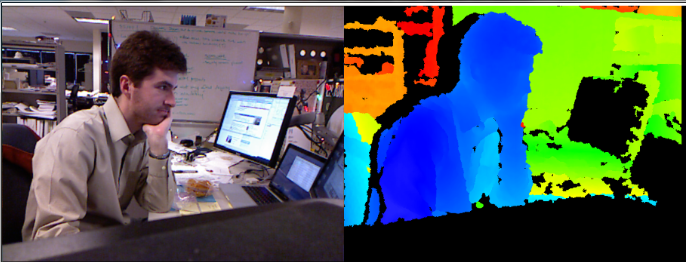
The kinects astonishing technology creates a
Twitter, Facebook, and social activism : The New Yorker
Because networks don’t have a centralized leadership structure and clear lines of authority, they have real difficulty reaching consensus and setting goals. They can’t think strategically; they are chronically prone to conflict and error. How do you make difficult choices about tactics or strategy or philosophical direction when everyone has an equal say?
(via Instapaper)
Sunset in san diego
Sunset in San Diego.